
A lot of people did terrible things in the current civilization. Some did them willingly, because they were cruel. But many did them because they were confused. They never had a proper understanding of law or morality, because no one ever taught them. Many were drugged on psychiatric medications, fake food, and all sorts of environmental toxins and poisons that kept their minds from working the way they should. They didn't figure out what they should have figured out, and they acted badly because of it.
If humanity is going to move forward, there will have to be a great deal of grace.
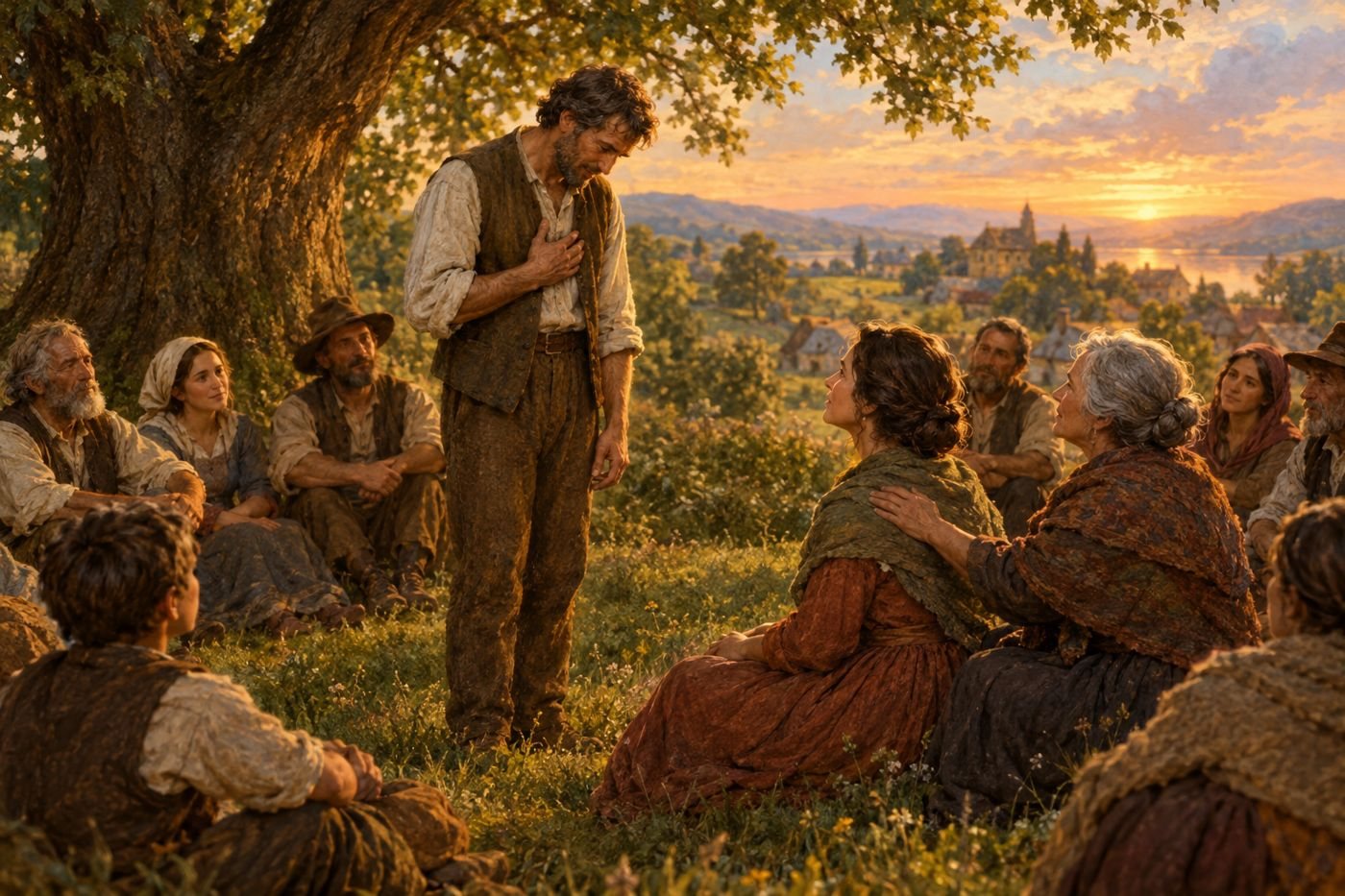
Grace, but Not Amnesia
Grace does not mean pretending nothing happened. We can't simply let everyone slide. But there needs to be a bigger and more widespread spirit of grace for the vast majority of people than our current world has ever known.
So there must be some form of accountability for everyone. And truth is one of the most powerful forms of accountability there is, and often the most stinging. Coming clean about the wrong you've done, in public, with the people you harmed present, can be more painful than any jail cell. And it's exactly what needs to happen.
We are going to reconcile.
But there will be no reconciliation without truth.
Everything that was done has to come out,
and then we'll reconcile.
How It Fits the Law
The Law of the Earth has no punishment in it. As Title 5: Grace explains, punishment doesn't reform anyone; it only adds a second harm to the first. The Law offers a Great Jubilee: anyone who receives the Law and publicly acknowledges it is released from the debts they carry from the old world.
Truth and Reconciliation is how that Jubilee is lived out among real people. The debt is released, but the truth is still told. The person who did harm stands before the person they harmed and says, plainly, what they did. The person who was harmed is heard, and believed, and finally seen. And then both of them are free to begin again.
Grace isn't naivety, either. A person who would still harm others tomorrow is still kept from harming them, whatever they confess today. Truth opens the door to reconciliation. It does not open every door at once.
Forgiveness and Trust
Forgiveness does not mean trust.
Trust does not mean forgiveness.
Forgiveness is a release: the letting go of the debt, and of the wish for revenge. You can forgive someone completely and still not trust them yet. Trust is earned again over time, by what a person does next.
And the reverse is also true. You can trust someone to behave well from here on, without having forgiven what they did. Healing asks for both, in their own time, and doesn't confuse one for the other.
Why This Is a Pillar
A civilization can't step out of a long age of harm and into a new one by simply forgetting. The grievances would follow us, buried but alive, waiting to divide us again. Nor can it step forward by punishing everyone who did wrong, because nearly everyone did some wrong, and the punishing would never end.
Truth and Reconciliation is the third way. Tell the truth, all of it. Then lay down the debts, together, and build the new world side by side.